Research On Hepatitis C Prediction
The research paper aimed to develop a machine learning-based approach for early identification of HCV, which could potentially improve treatment outcomes.

1 / 3
Deployment & Code
Project Snapshot
Core Stack
ML
Scikit-Learn
Feature Selection
Model Evaluation
Overview
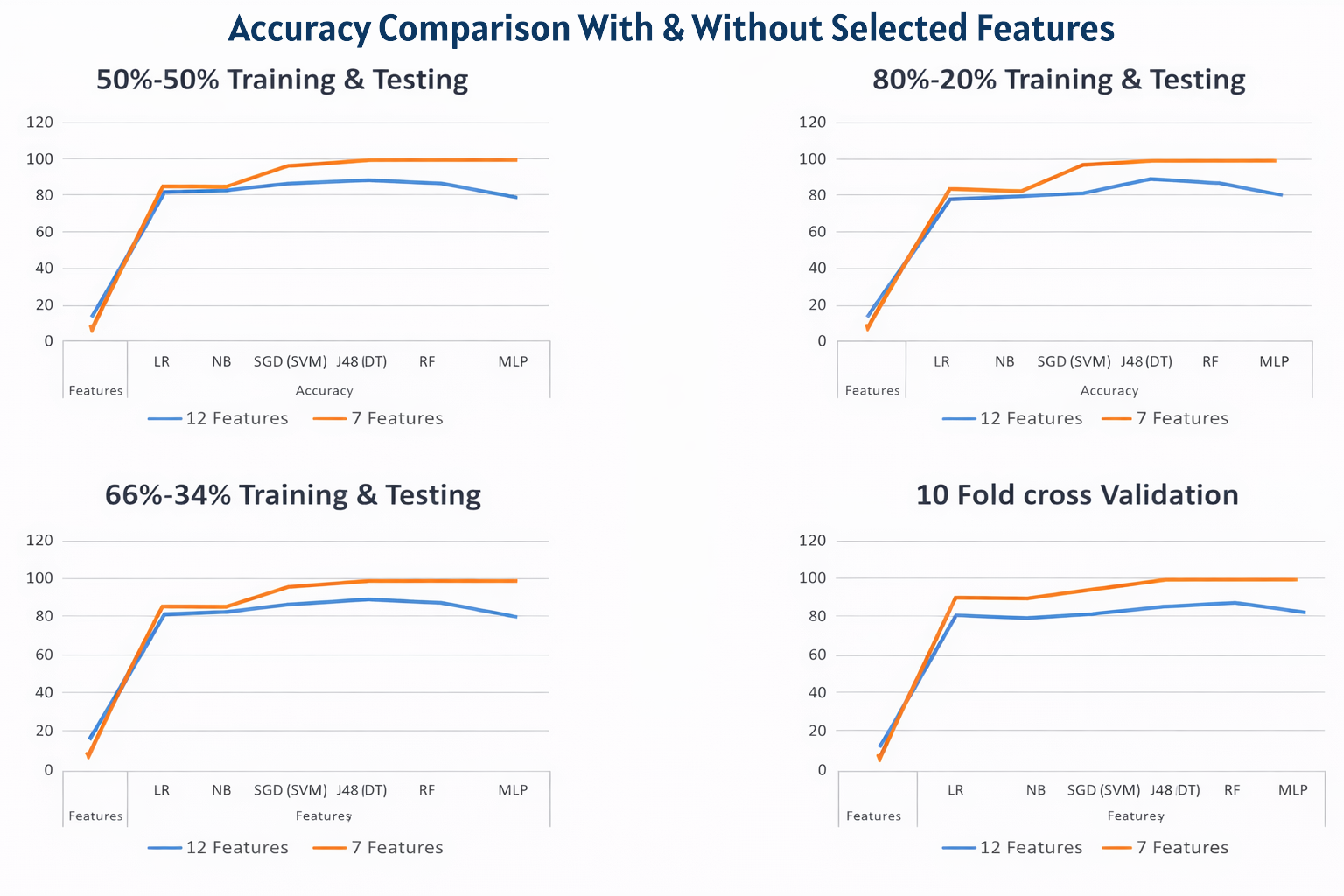
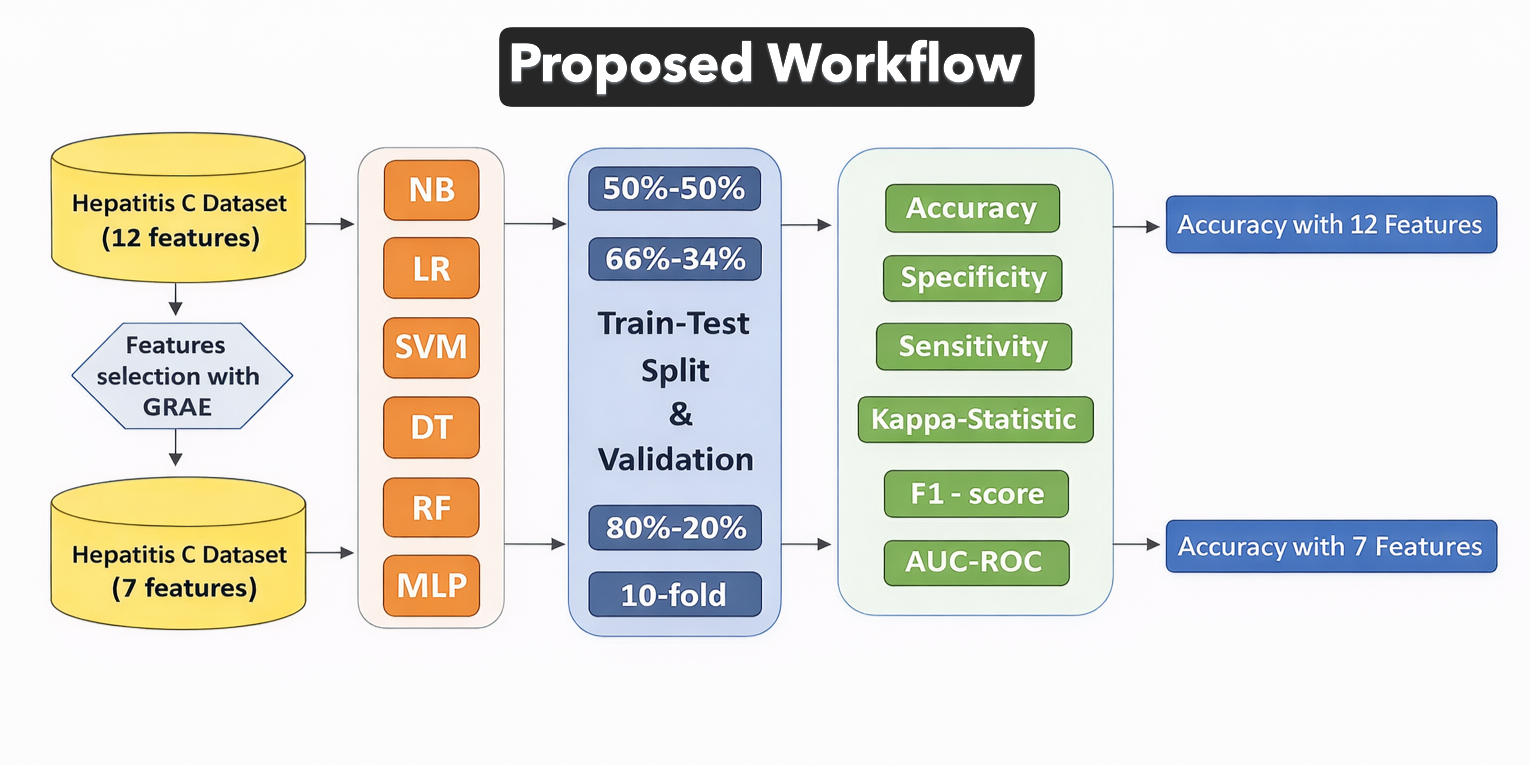
In this research, we proposed a novel method for predicting Hepatitis C Virus (HCV) infection using machine learning techniques. This study suggests a prediction framework for the Hepatitis C virus that is based on machine learning techniques. In this dataset 564 patients with 12 distinct features are present. We tested two cases, the first one without feature selection and with feature selection based on Gain Ratio Attribute Evaluation (GRAE) to guarantee the strength and dependability of the suggested framework. We evaluated various machine learning models, including Random Forest, Support Vector Machine, and Gradient Boosting, to determine their effectiveness in predicting HCV infection based on the selected features. The results demonstrated that our approach significantly improved prediction accuracy compared to traditional methods, highlighting the potential of machine learning in enhancing early diagnosis and treatment of HCV.